How Do You Handle Pets Whose Vaccine History Is Incomplete or Unknown?
Rescues, new adoptions, and lost paperwork all lead to unclear vaccine histories. Here is a calm, practical way to move forward.
Start by gathering any paperwork the owner has, since a few questions often turn an unknown history into a partial one. Let the veterinarian decide how to proceed, which may mean restarting a series. Record clearly what is confirmed, assumed, and unknown, then set fresh due dates going forward.
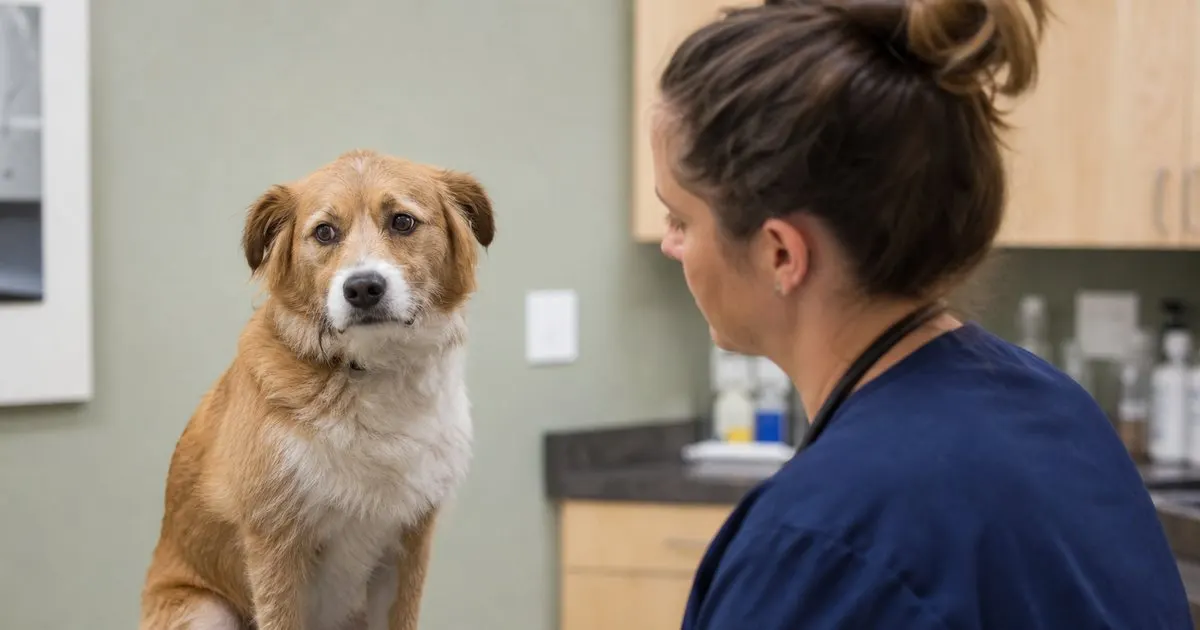
Start by gathering what exists
Ask the owner for anything they have, adoption paperwork, a prior clinic name, or a rough timeline. Even partial information narrows the picture.
Often a record exists somewhere, and a few questions turn an unknown history into a partial one.
Keep reading: How Do Vet Clinics Keep Pet Vaccination Records From Falling Out of Date?, What Should a Groomer Do When a Dog's Rabies Vaccine Has Lapsed?, Why Do So Many Pet Owners Miss Their Annual Vaccination Due Dates?. See how VaxRemindr helps you pet vaccination due-date reminders for owners.
Let the veterinarian decide the plan
When history is genuinely unclear, the safe path forward is a veterinarian's judgment on how to proceed, which may involve restarting a series.
This is a medical decision, not an administrative one, and it belongs with the vet.
Record what you do know clearly
Note plainly what is confirmed, what is assumed, and what is unknown. A record that is honest about its gaps is more useful than one that pretends to certainty.
That clarity helps every future visit build on solid ground.
Set fresh due dates going forward
Once a plan is set, log the dates given and set the next due dates so the pet is on a clear schedule from here. Related: How Do You Keep Vaccine Schedules Straight in a Household With Three or More Pets?
An uncertain past does not have to mean an uncertain future once the record starts fresh.
- Gather any existing paperwork before assuming nothing exists
- Let the veterinarian decide how to handle unclear history
- Record clearly what is confirmed, assumed, and unknown
- Set fresh due dates so the pet is on a clear schedule going forward

Julien Jimenez
Julien Jimenez is an independent software builder based in Paris. He designs, ships, and operates focused SaaS products for small businesses and independent professionals. Read the full author page.
Frequently asked questions
Why is an unclear vaccine history a decision for the veterinarian?
How to proceed with genuinely unknown history is a medical judgment, not an administrative one. The vet decides whether to restart a series, so the safe path belongs with them.
How should you record a pet's uncertain vaccine history?
Note plainly what is confirmed, what is assumed, and what is unknown. A record honest about its gaps is more useful than one that pretends to a certainty it does not have.
Never let a pet vaccine lapse again
Pet vaccination due-date reminders for owners. VaxRemindr is built to help you put this into practice.
Start tracking due datesMore from the VaxRemindr blog
How Do Vet Clinics Keep Pet Vaccination Records From Falling Out of Date?
What Should a Groomer Do When a Dog's Rabies Vaccine Has Lapsed?
Why Do So Many Pet Owners Miss Their Annual Vaccination Due Dates?
Get the VaxRemindr playbook
Practical guides on pet vaccination reminders, straight to your inbox as we publish them. No spam, unsubscribe any time.