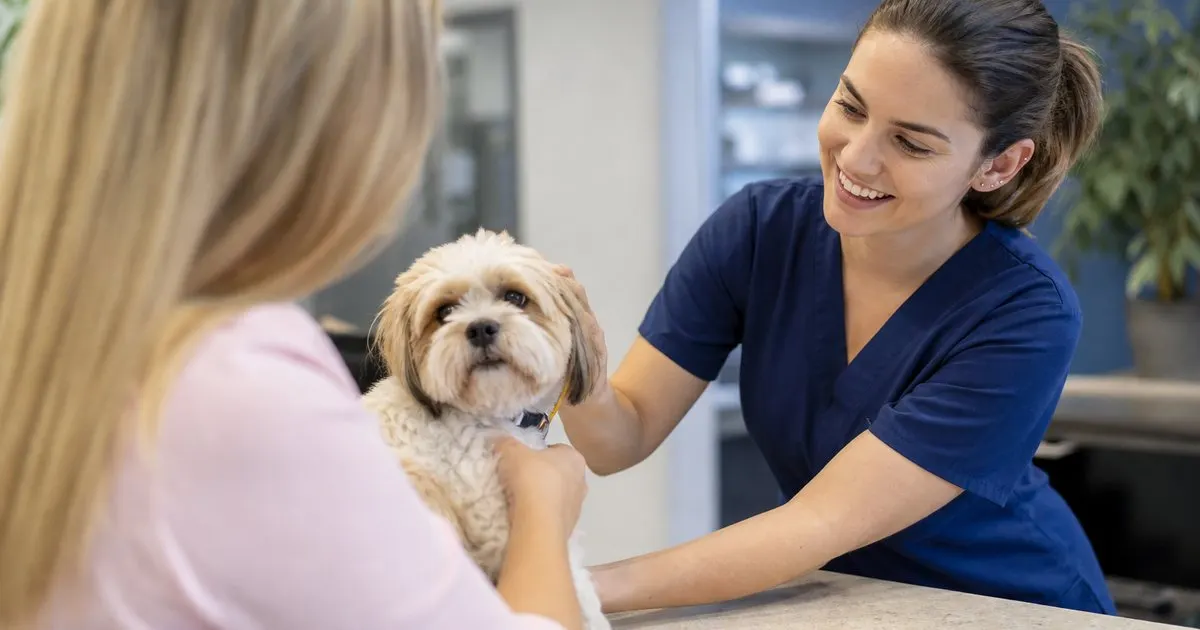
Pet vaccination reminders
How Do Vet Clinics Keep Pet Vaccination Records From Falling Out of Date?
Paper files and memory let due dates slip. Here is a practical system for keeping every pet's vaccine record current and reminding owners on time.
Practical, honest advice from the team behind VaxRemindr, written to help you do this well.
Paper files and memory let due dates slip. Here is a practical system for keeping every pet's vaccine record current and reminding owners on time.
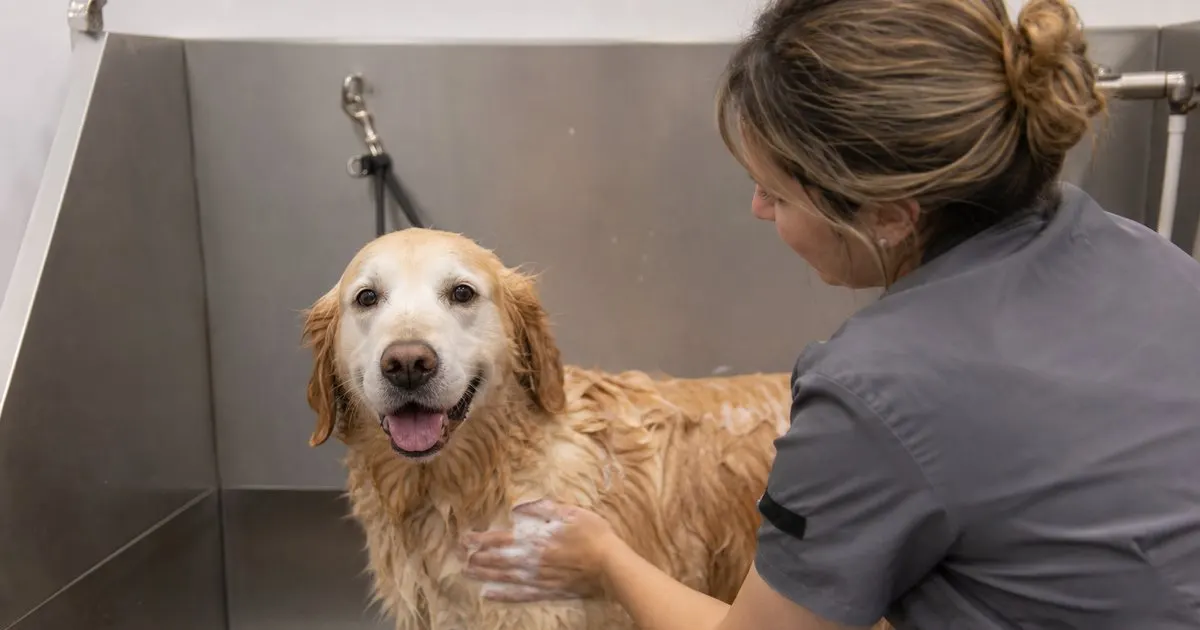
A lapsed rabies record puts a grooming business in a tricky spot. Here is how to handle it fairly, safely, and without losing the client.
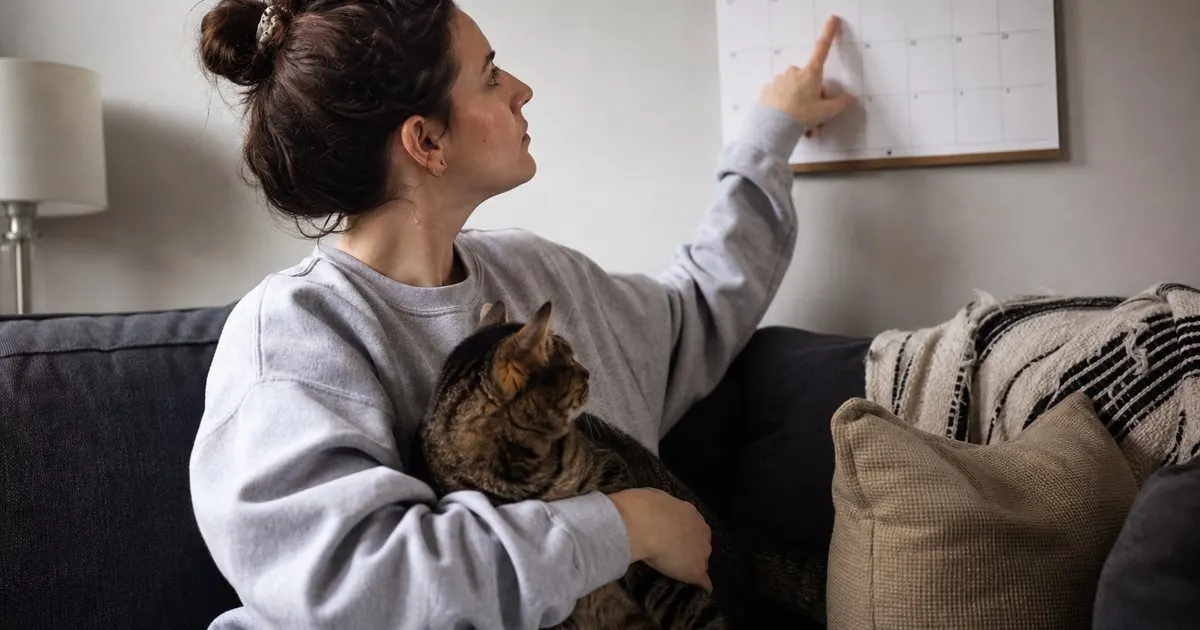
Missed vaccine due dates are rarely about neglect. Understanding the real reasons helps a clinic design reminders that actually work.

New pet owners often ask when shots should start. Here is a plain guide to early core vaccine timing and why the schedule matters.

Not all reminders work. Here is what separates a message owners act on from one they scroll past and forget.
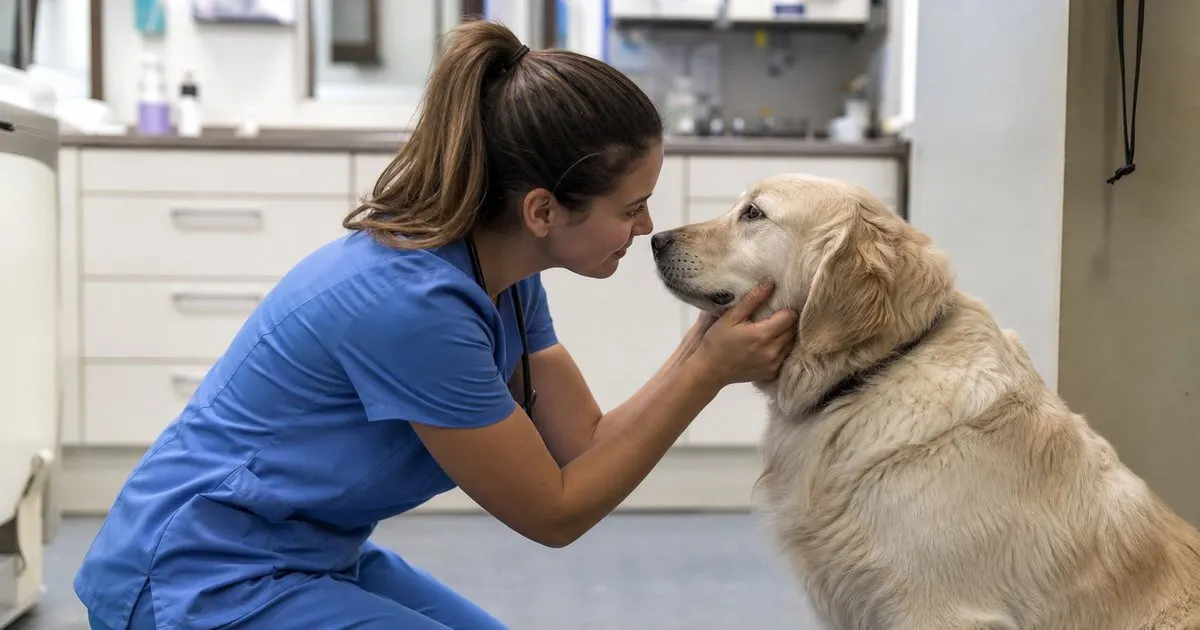
Send too early and it is forgotten, too late and it is a rush. Here is how to choose reminder timing that gets pets booked in.
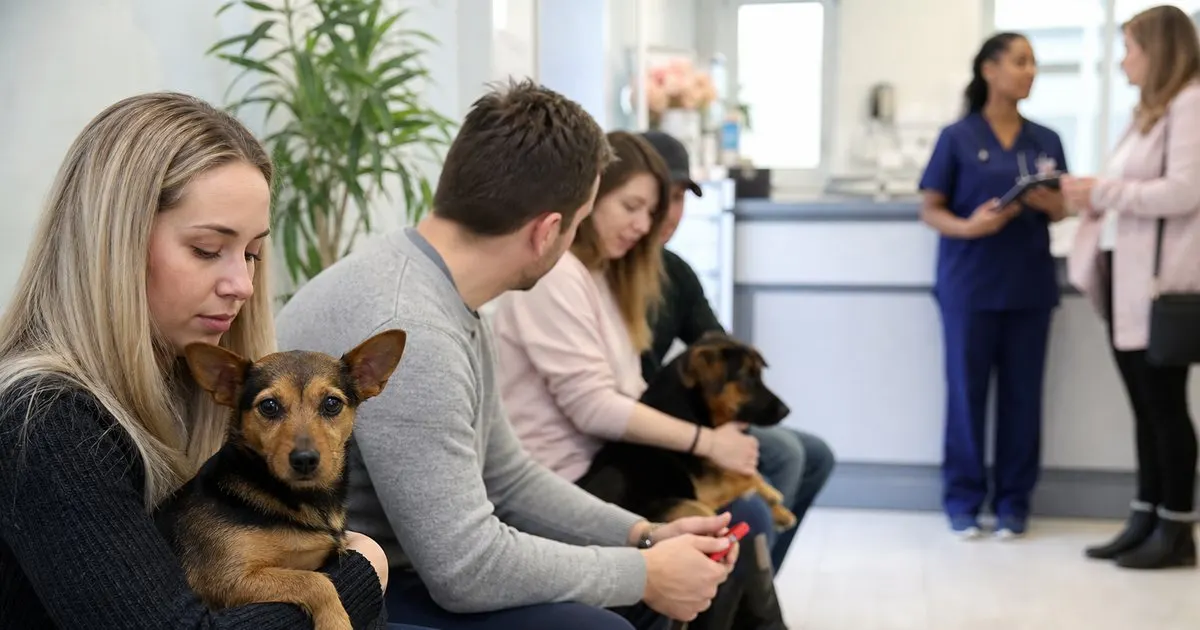
Manual follow-up is the first thing to slip when a clinic gets busy. Here is why automating reminders holds the line on lapsed vaccines.
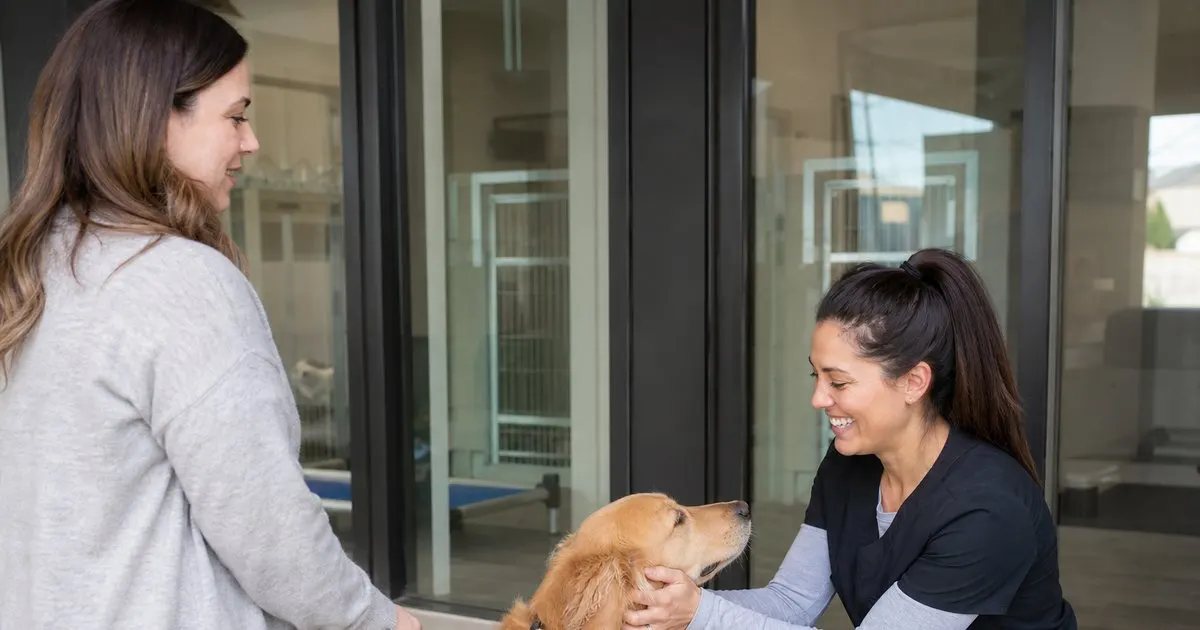
Boarding and grooming businesses need proof of protection before a pet arrives. Here is what to ask for and how to keep it on file.
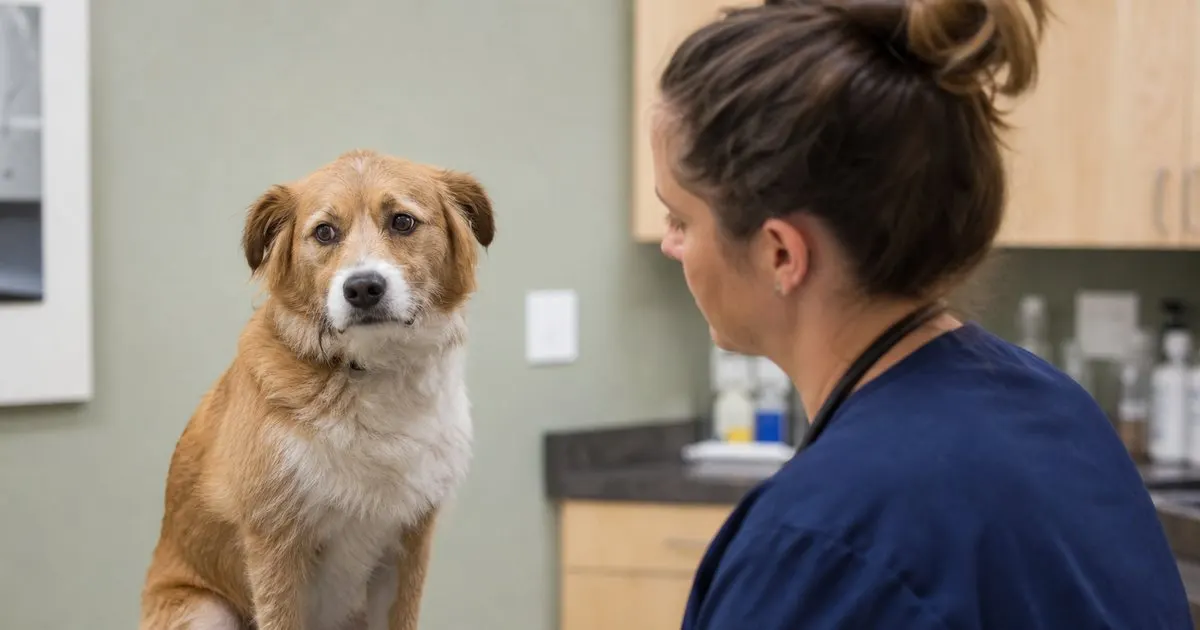
Rescues, new adoptions, and lost paperwork all lead to unclear vaccine histories. Here is a calm, practical way to move forward.

Three pets means three sets of due dates, often on three different cycles. Here is how to consolidate them without losing track of anyone.
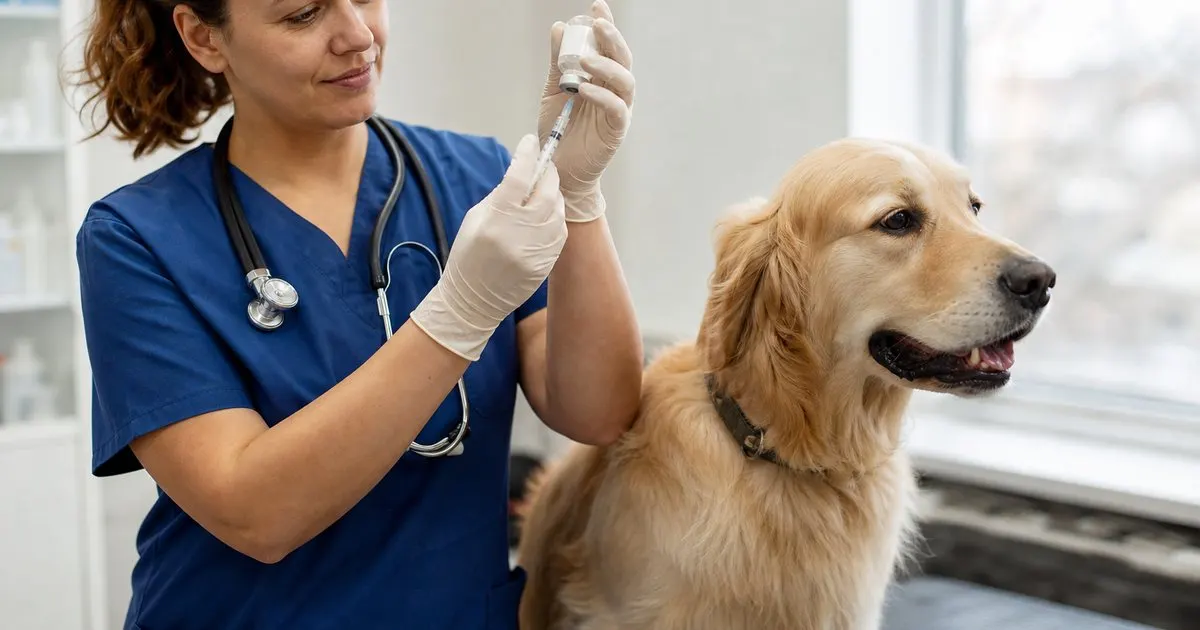
The same dog can be told to come back in twelve months or thirty-six depending on the product, its age, and where it lives. Here is what actually sets the interval.

Your dog's certificate is valid where it was issued, but the new county may not read it the same way. A short checklist for the weeks before and after a move.
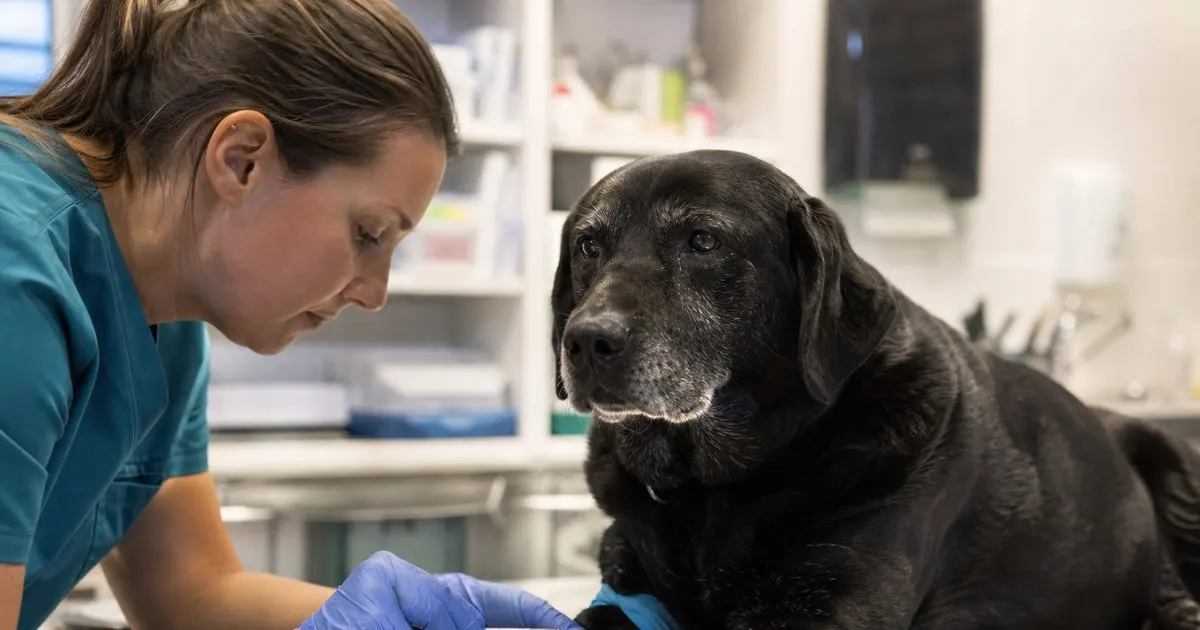
Titer testing can answer whether a pet still has measurable immunity to certain diseases. It is useful in specific situations and useless in others, and it never replaces a rabies certificate.

Non-core does not mean optional for everyone; it means the answer depends on how the pet lives. A lifestyle-based walkthrough for city pets.

The certificate is gone and so is the clinic. There are still several places a copy may exist, and a clear fallback if none of them pan out.

Most boarding facilities set a minimum gap between the kennel cough vaccine and check-in. Here is why the gap exists, what typically drives it, and how to schedule around it.

Long-vaccinated older pets often have durable immunity, yet the schedule rarely goes to zero. What changes, what does not, and how to have the conversation with your vet.
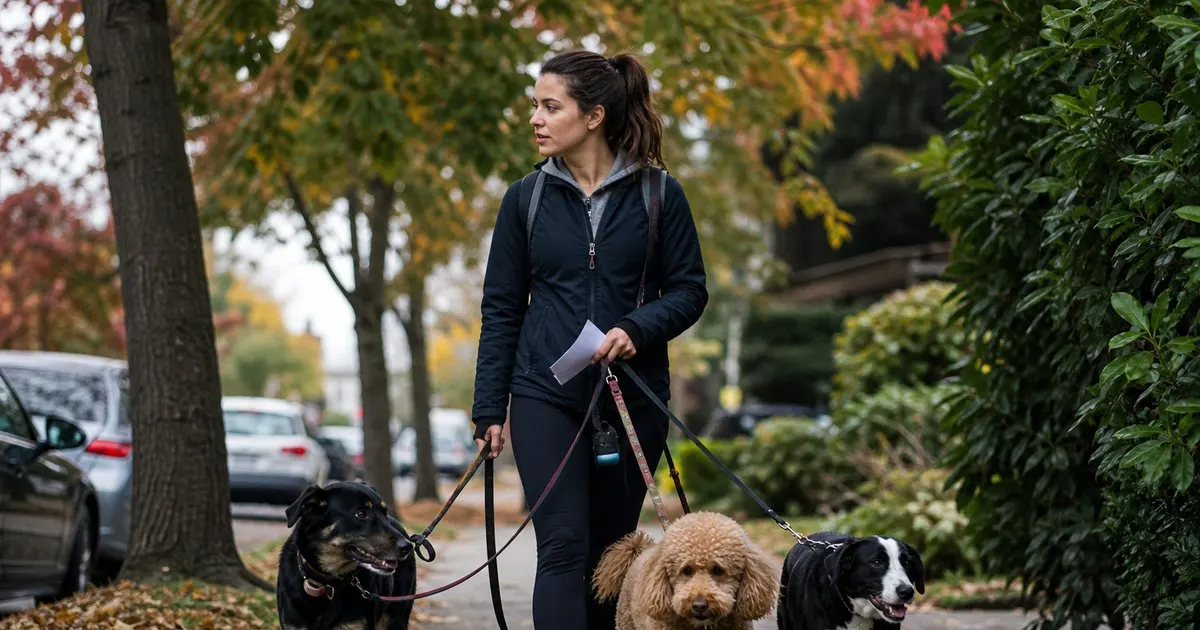
The people who handle your pet when you are away need the vaccine facts, not the whole medical file. What to share, in what form, and how to keep it current.
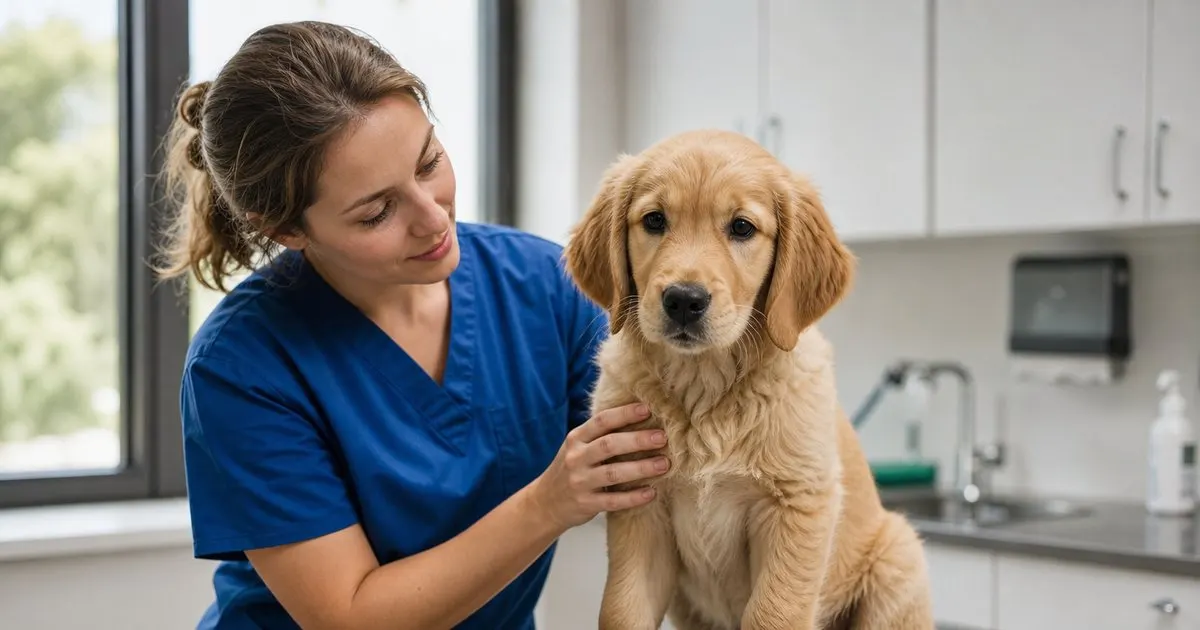
A missed puppy booster is the most common gap we see in the records people import. Here is what a short delay usually means, what a long one changes, and why rabies follows its own rules.

Vaccines are the dates people remember to track, and the ones around them are what actually slip. Here is the full recurring set for one pet, and how to keep it on one calendar without twenty entries a month.