Why Does a Senior Dog or Cat Still Need Boosters After a Decade of Staying Current?
Long-vaccinated older pets often have durable immunity, yet the schedule rarely goes to zero. What changes, what does not, and how to have the conversation with your vet.

What a decade of boosters has actually built
A dog or cat that has received its core vaccines on schedule for ten years has, in most cases, a robust and durable immune memory for the core diseases. This is the reason veterinary guidelines moved adult core boosters for distemper, parvovirus, adenovirus, and feline panleukopenia to three-year intervals years ago: repeated annual dosing of those vaccines was not adding protection for most adults. For a well-vaccinated senior, the core schedule is already sparse, and titers frequently confirm that immunity persists beyond the label. Related: Why Do So Many Pet Owners Miss Their Annual Vaccination Due Dates?
That durable memory is disease specific. It applies to the core viral vaccines, where immunity is long lasting. It does not apply in the same way to non-core vaccines like Bordetella, leptospirosis, or Lyme, where protection is shorter lived and annual dosing remains the norm. So the honest answer to the question of why boosters continue is that the senior schedule is a mix: some things can safely stretch, some cannot, and one is not up to the vet at all. Related: When Should Puppies and Kittens Get Their First Round of Core Vaccines?
Keep reading: How Do Vet Clinics Keep Pet Vaccination Records From Falling Out of Date?, What Should a Groomer Do When a Dog's Rabies Vaccine Has Lapsed?, Why Do So Many Pet Owners Miss Their Annual Vaccination Due Dates?. See how VaxRemindr helps you pet vaccination due-date reminders for owners.
Rabies does not care how old the pet is
Rabies vaccination for dogs is a legal requirement in nearly every US jurisdiction, many states and localities extend that to cats, and age is not an exemption. A fourteen-year-old dog with a lifetime of rabies boosters still needs a current certificate to be licensed, boarded, groomed at most facilities, or cleared quickly after a bite incident. The three-year certificate helps here, since many seniors will only need one or two more rabies visits, but the schedule does not stop. Related: What Should a Groomer Do When a Dog's Rabies Vaccine Has Lapsed?
The one exception is a medical exemption, which some states allow when a licensed vet documents that vaccination would endanger the animal's health. These are intended for pets with specific conditions, not for age alone, and they are not honored by every licensing office or facility. If your senior has a condition that makes vaccination genuinely risky, ask your vet whether your state permits an exemption and what it does and does not cover. Do not assume one exists until you have the paperwork.
Where age legitimately changes the plan
Senior pets are more likely to have chronic conditions, to be on medications, and to have had prior vaccine reactions, all of which shape the decision. A vet may space vaccines out over separate visits rather than giving several at once, choose a titer for the core diseases instead of a booster, or drop a non-core vaccine the pet no longer has exposure to. A retired agility dog that no longer travels may not need Lyme; a cat that stopped going outside may not need leukemia.
The reverse also happens. Older immune systems can be less responsive, and some seniors develop new exposures: a move to a building with more dogs, a new puppy in the home, or a family member who begins fostering. Age is a reason to review the vaccine list carefully every year, not a reason to assume less is always better. Bring the pet's full history and a description of its current routine to the senior wellness exam and go through each vaccine individually.
Managing the senior schedule without overdoing it
Because senior pets often see the vet more frequently for bloodwork and chronic care, it is easy to lose track of which visit covered which vaccine. Keep the vaccine record separate from the general medical record in your own notes, and update it only when a certificate or vaccine line item is issued. A reminder tool like VaxRemindr can carry the rabies expiration, the core three-year date, and each annual non-core item as its own entry, with the titer recheck date noted alongside them, so that a recent vet visit does not turn into a missed booster. Related: How Do Vet Clinics Keep Pet Vaccination Records From Falling Out of Date?
Finally, decide in advance with your vet which vaccines this pet will keep current in its last years. Some owners and vets agree to maintain rabies for legal reasons and let everything else be governed by titers and exposure. Others keep the full schedule because the pet boards or has a housemate who is immunocompromised. Either is defensible when it is deliberate. What does not work is drifting, where boosters lapse by accident and the pet can end up needing a legal restart, depending on the state, at an age when fewer appointments would have been kinder.
- Long-vaccinated seniors usually have durable immunity to core diseases, which is why core boosters already run on three-year intervals.
- Rabies remains legally required regardless of age; medical exemptions exist in some states but are condition based, not age based.
- Age changes the plan through chronic illness, medications, reaction history, and changing exposure, in both directions.
- Track rabies, core, titer recheck, and non-core dates separately so frequent senior vet visits do not mask a lapse.

Julien Jimenez
Julien Jimenez is an independent software builder based in Paris. He designs, ships, and operates focused SaaS products for small businesses and independent professionals. Read the full author page.
Never let a pet vaccine lapse again
Pet vaccination due-date reminders for owners. VaxRemindr is built to help you put this into practice.
Start tracking due datesMore from the VaxRemindr blog
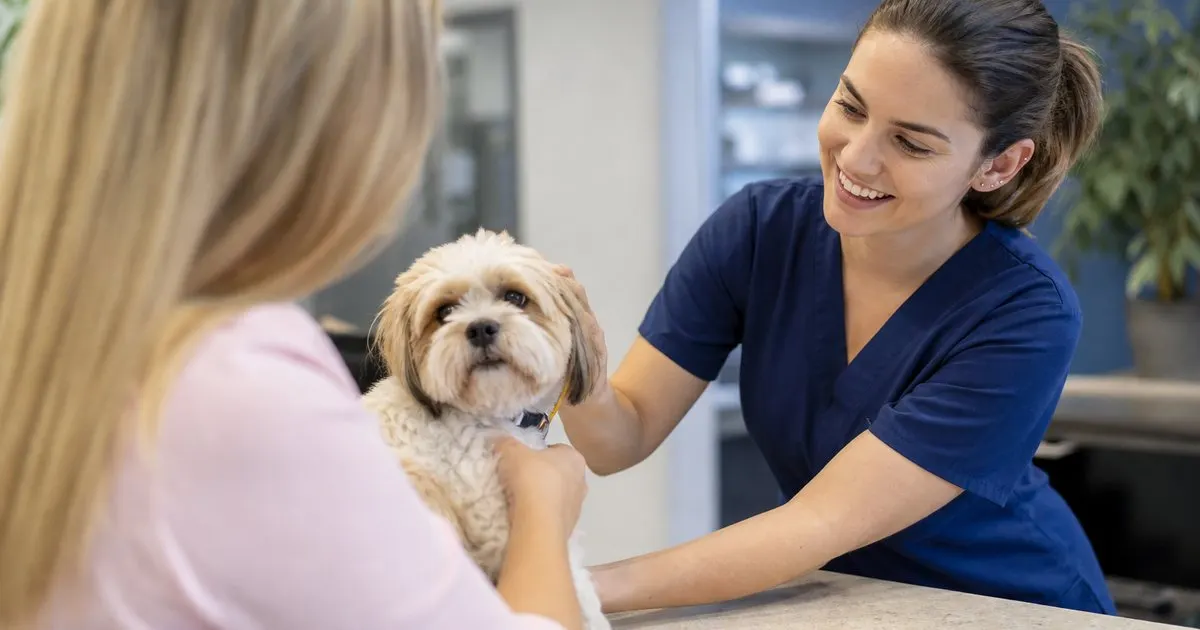
How Do Vet Clinics Keep Pet Vaccination Records From Falling Out of Date?
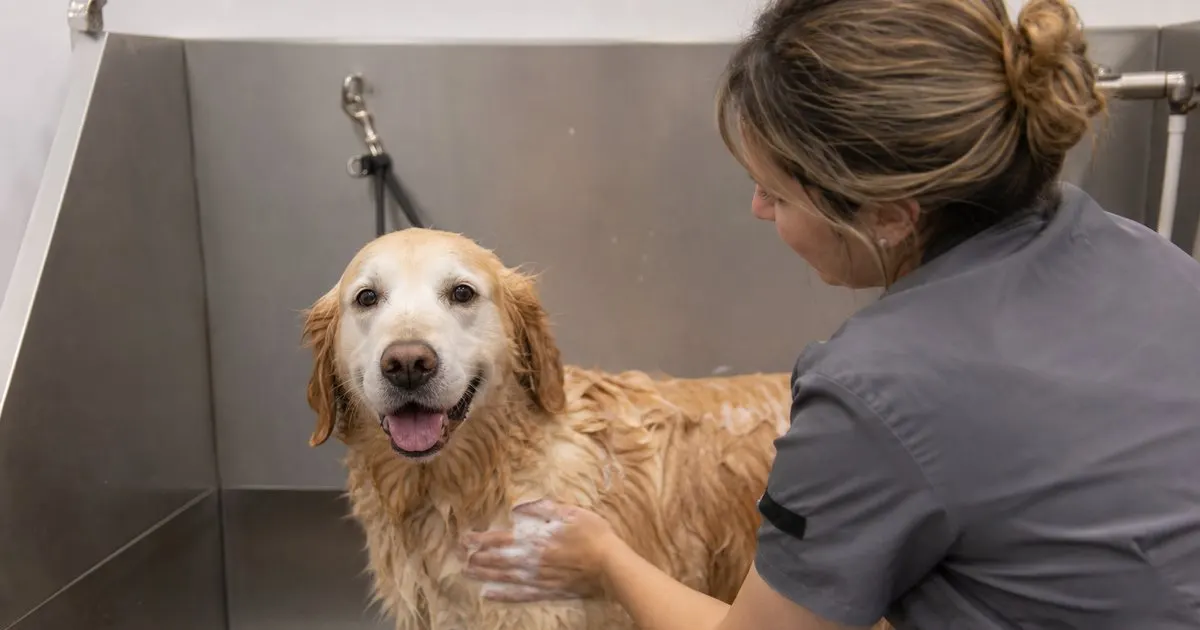
What Should a Groomer Do When a Dog's Rabies Vaccine Has Lapsed?
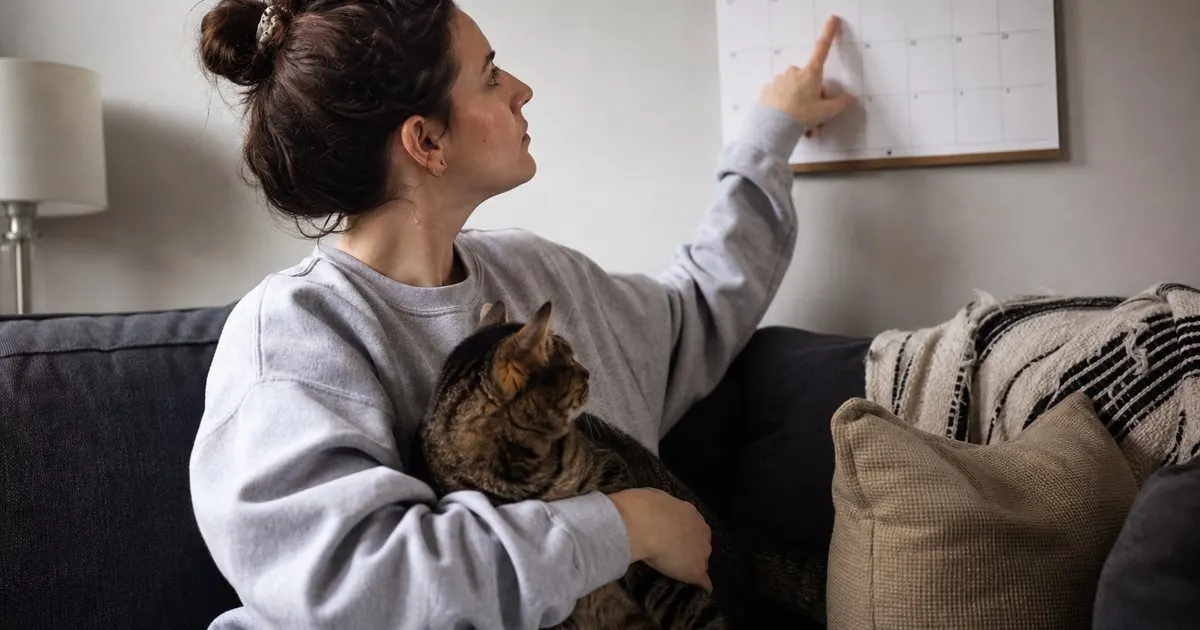
Why Do So Many Pet Owners Miss Their Annual Vaccination Due Dates?
Get the VaxRemindr playbook
Practical guides on pet vaccination reminders, straight to your inbox as we publish them. No spam, unsubscribe any time.