When Should Puppies and Kittens Get Their First Round of Core Vaccines?
New pet owners often ask when shots should start. Here is a plain guide to early core vaccine timing and why the schedule matters.
Young pets receive core vaccines as a series of doses spaced a few weeks apart during their first months, not a single shot. A veterinarian sets the exact start date and spacing for each animal. Booking and reminding the next dose at every visit keeps the series on track.

Early protection comes in a series
Puppies and kittens do not get a single shot and finish. Core vaccines are given as a series of doses spaced a few weeks apart during the first months of life. Related: Which Non-Core Vaccines Does an Indoor Cat or an Apartment Dog Actually Need Each Year?
The series exists because a young animal's immune response builds over several rounds, not all at once.
Keep reading: How Do Vet Clinics Keep Pet Vaccination Records From Falling Out of Date?, What Should a Groomer Do When a Dog's Rabies Vaccine Has Lapsed?, Why Do So Many Pet Owners Miss Their Annual Vaccination Due Dates?. See how VaxRemindr helps you pet vaccination due-date reminders for owners.
Timing follows the veterinarian's guidance
The exact start date and spacing should follow a veterinarian's recommendation, which accounts for the animal's age, health, and local disease risk.
This article is general guidance, not a medical schedule. A vet sets the specific plan for each pet.
Missing a dose sets the series back
Because each dose builds on the last, a missed appointment in the series can mean less protection until the schedule is back on track.
This is exactly where reminders help, keeping a new owner on the series through a busy first few months with a puppy or kitten. Related: Why Do So Many Pet Owners Miss Their Annual Vaccination Due Dates?
Set the next date at every visit
The simplest way to keep a young pet on track is to leave each visit with the next date already set and a reminder queued. Related: How Do Vet Clinics Keep Pet Vaccination Records From Falling Out of Date?
That turns a multi-dose series into a sequence of clear, booked steps rather than a schedule the owner has to reconstruct. Related: How Do You Keep Vaccine Schedules Straight in a Household With Three or More Pets?
- Core vaccines for young pets come as a spaced series, not one shot
- A veterinarian sets the exact start date and spacing
- Missing a dose can set the whole series back
- Book and remind the next dose at every visit to stay on track

Julien Jimenez
Julien Jimenez is an independent software builder based in Paris. He designs, ships, and operates focused SaaS products for small businesses and independent professionals. Read the full author page.
Frequently asked questions
What happens if a puppy or kitten misses a dose in the series?
Because each dose builds on the last, a missed appointment can mean less protection until the schedule is back on track. Reminders help keep a busy new owner on the series.
Who decides the exact timing of a young pet's vaccines?
A veterinarian, who accounts for the animal's age, health, and local disease risk. General guidance describes the pattern, but the specific schedule is a medical decision for the vet.
Never let a pet vaccine lapse again
Pet vaccination due-date reminders for owners. VaxRemindr is built to help you put this into practice.
Start tracking due datesMore from the VaxRemindr blog
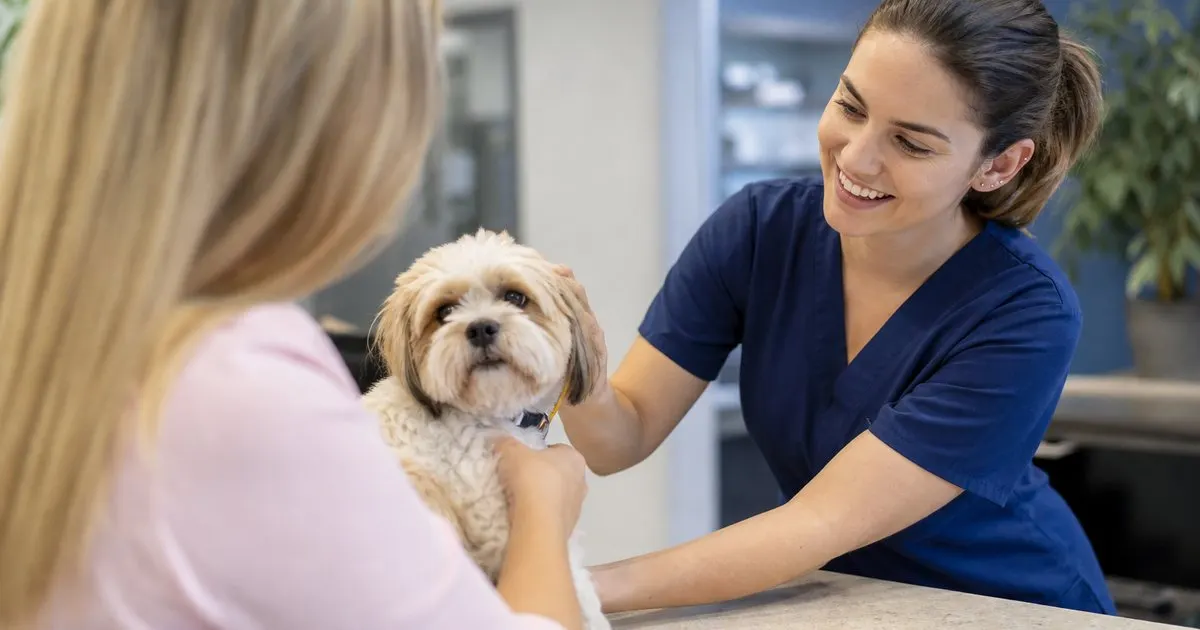
How Do Vet Clinics Keep Pet Vaccination Records From Falling Out of Date?
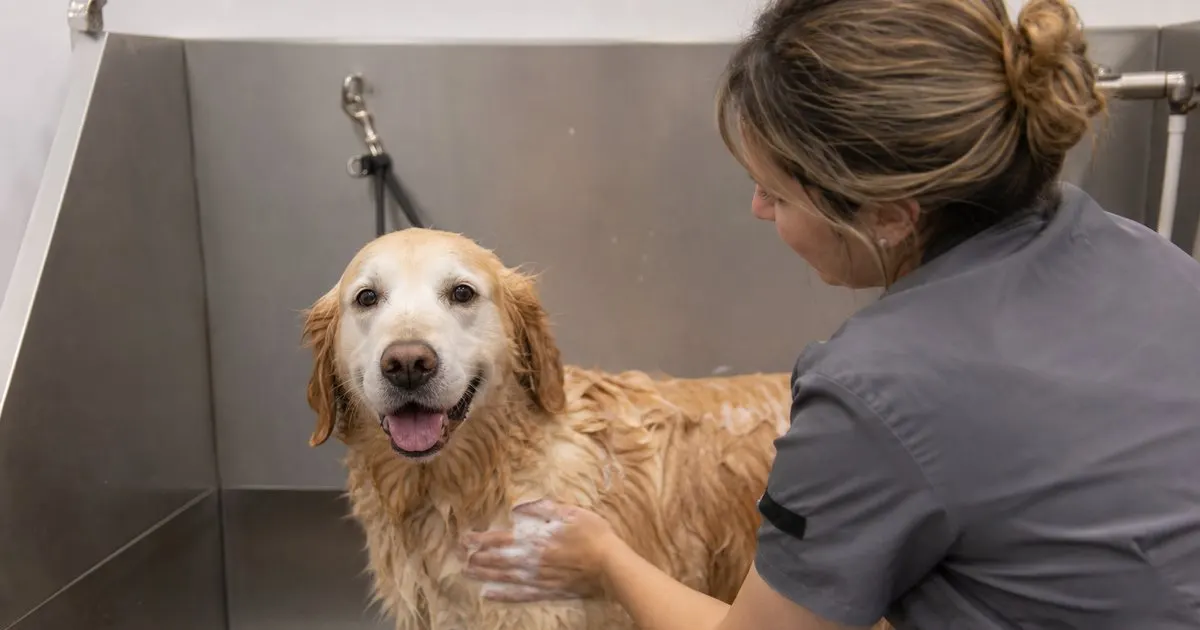
What Should a Groomer Do When a Dog's Rabies Vaccine Has Lapsed?
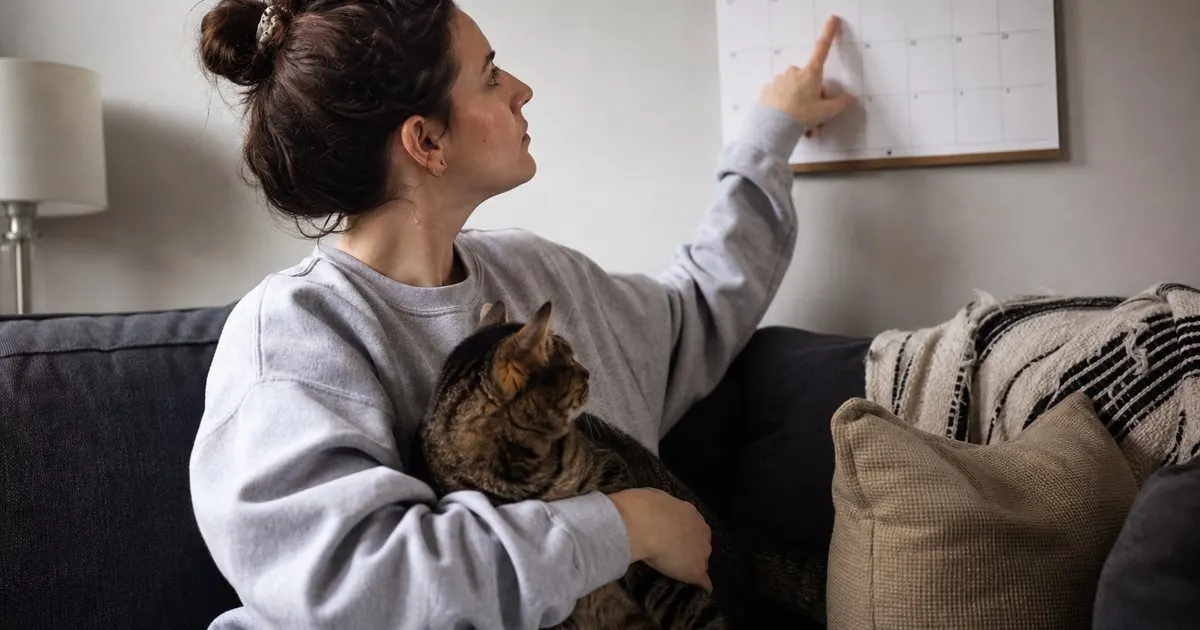
Why Do So Many Pet Owners Miss Their Annual Vaccination Due Dates?
Get the VaxRemindr playbook
Practical guides on pet vaccination reminders, straight to your inbox as we publish them. No spam, unsubscribe any time.