What Is the Best Way to Share Vaccine Due Dates With a Pet Sitter or Dog Walker?
The people who handle your pet when you are away need the vaccine facts, not the whole medical file. What to share, in what form, and how to keep it current.
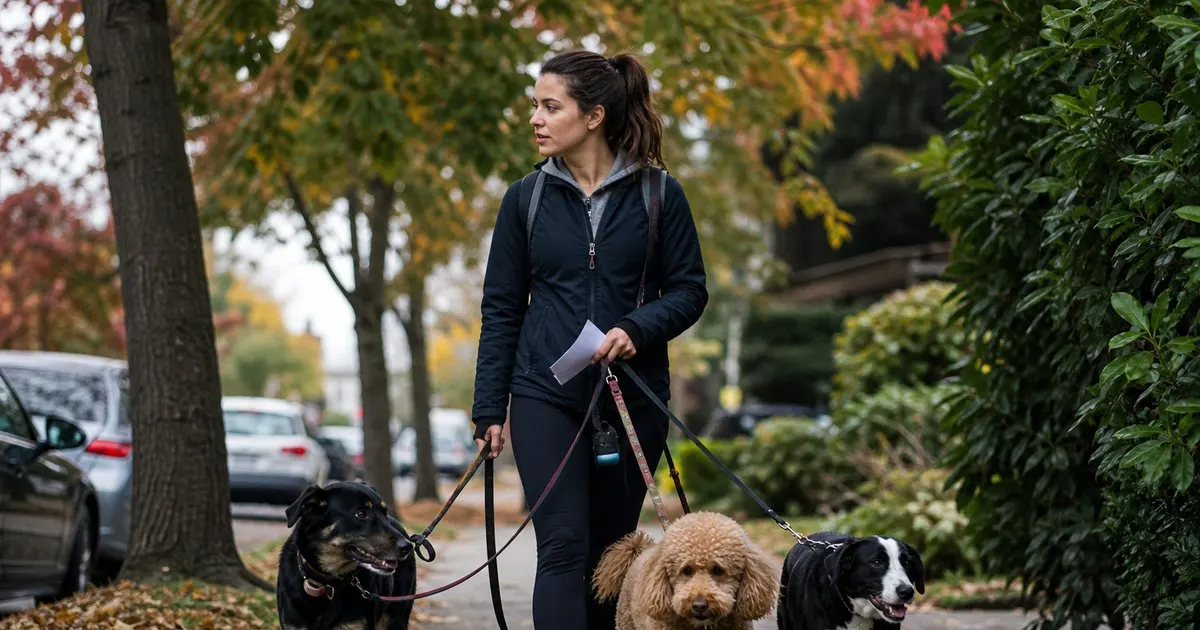
Decide what the sitter actually needs
A sitter or walker needs a short set of facts: the rabies certificate expiration date and a copy of the certificate, the dates of any other current vaccines a facility might ask about, the pet's microchip number, your vet's name and phone number, and a note about any known vaccine reactions or medical conditions that would change how an emergency is handled. They do not need the full medical history, invoices, or lab results, and sharing those creates clutter that makes the important items harder to find. Related: What Should a Groomer Do When a Dog's Rabies Vaccine Has Lapsed?
Think about the scenarios where the sitter would use the information. A dog walker might be asked for proof of rabies at a dog park or by animal control after an incident. A sitter might need to take the pet to an emergency clinic, where the front desk will ask when the last rabies vaccine was given. A sitter dropping the dog at daycare for a day will be asked for Bordetella. Each of those is a two-line answer if the sheet is right and a scramble if it is not.
Keep reading: How Do Vet Clinics Keep Pet Vaccination Records From Falling Out of Date?, What Should a Groomer Do When a Dog's Rabies Vaccine Has Lapsed?, Why Do So Many Pet Owners Miss Their Annual Vaccination Due Dates?. See how VaxRemindr helps you pet vaccination due-date reminders for owners.
Choose a format that survives a real emergency
The most reliable format is boring: a single printed page in a labeled folder near the pet's leash or food, plus the same page as a PDF or photo the sitter can pull up on a phone. Paper works when the phone is dead or the sitter is standing at a clinic counter; the digital copy works when the sitter is across town and the folder is at your house. Include the certificate itself, not just the date, since most facilities and clinics will want to see the document. Related: How Do Vet Clinics Keep Pet Vaccination Records From Falling Out of Date?
A shared calendar, or a reminder tool that gives you a record you can forward, can layer on top of that. If your sitter regularly covers you for extended trips, forwarding them the pet's record from a tool like VaxRemindr means they see the same dates you do and can spot a rabies expiration that lands mid-trip. Treat that record as information for the sitter, not something they manage: they should flag a date to you rather than change anything, and you should re-send it after each vet visit so the copy they hold is current.
Cover the legal and consent gaps
A sitter who takes your pet to a vet may be asked whether they are authorized to approve treatment and spending. A short signed letter stating that the named person may seek veterinary care for the named pet during specified dates, with a spending limit and your contact details, resolves most of that at the counter. Many clinics also let you put a note on file in advance naming an authorized caregiver, which is even simpler. Do both if the trip is long. Related: Why Do So Many Pet Owners Miss Their Annual Vaccination Due Dates?
Include a sentence about what to do if a vaccine comes due while you are away. For most non-core vaccines, waiting until you return is fine. For rabies, an expiration during a trip can create real problems if the pet is boarded, bitten, or picked up, so either get it done before you leave or explicitly authorize the sitter to take the pet in. Do not leave that decision to a sitter who has to guess what you would want. Related: When Should Puppies and Kittens Get Their First Round of Core Vaccines?
Keep the shared information from going stale
The failure mode is not the first handoff, it is the third. The sitter still has the sheet from two years ago, the rabies date on it has passed, and nobody noticed because the arrangement felt settled. Tie the update to the vet visit: every time a certificate is issued, replace the printed page, re-send the PDF, and confirm the shared calendar or tool reflects the new date. A thirty-second habit at the clinic prevents a stale document from circulating for a year.
Before any trip, do a two-minute check together: open the sheet, confirm every date is still in the future, and confirm the sitter has the current certificate copy and the vet's number. If you use multiple sitters or a walking service with rotating staff, make one person at the service responsible for holding the current version and ask how they distribute it. The goal is that anyone who has your pet for an hour can answer the question of when the last rabies shot was given without calling you.
- Share the rabies certificate, other current vaccine dates, microchip number, vet contact, and reaction notes, and leave the rest of the file out.
- Use paper in a folder plus a digital copy on the sitter's phone, with the actual certificate included.
- Provide a signed authorization letter or a note on file at your vet so the sitter can approve care.
- Replace the shared page every time a certificate is issued and confirm dates together before every trip.

Julien Jimenez
Julien Jimenez is an independent software builder based in Paris. He designs, ships, and operates focused SaaS products for small businesses and independent professionals. Read the full author page.
Never let a pet vaccine lapse again
Pet vaccination due-date reminders for owners. VaxRemindr is built to help you put this into practice.
Start tracking due datesMore from the VaxRemindr blog
How Do Vet Clinics Keep Pet Vaccination Records From Falling Out of Date?
What Should a Groomer Do When a Dog's Rabies Vaccine Has Lapsed?
Why Do So Many Pet Owners Miss Their Annual Vaccination Due Dates?
Get the VaxRemindr playbook
Practical guides on pet vaccination reminders, straight to your inbox as we publish them. No spam, unsubscribe any time.