How Many Weeks Can a Puppy Booster Slip Before the Core Vaccine Series Has to Restart?
A missed puppy booster is the most common gap we see in the records people import. Here is what a short delay usually means, what a long one changes, and why rabies follows its own rules.
Why the puppy series is a series and not a single shot
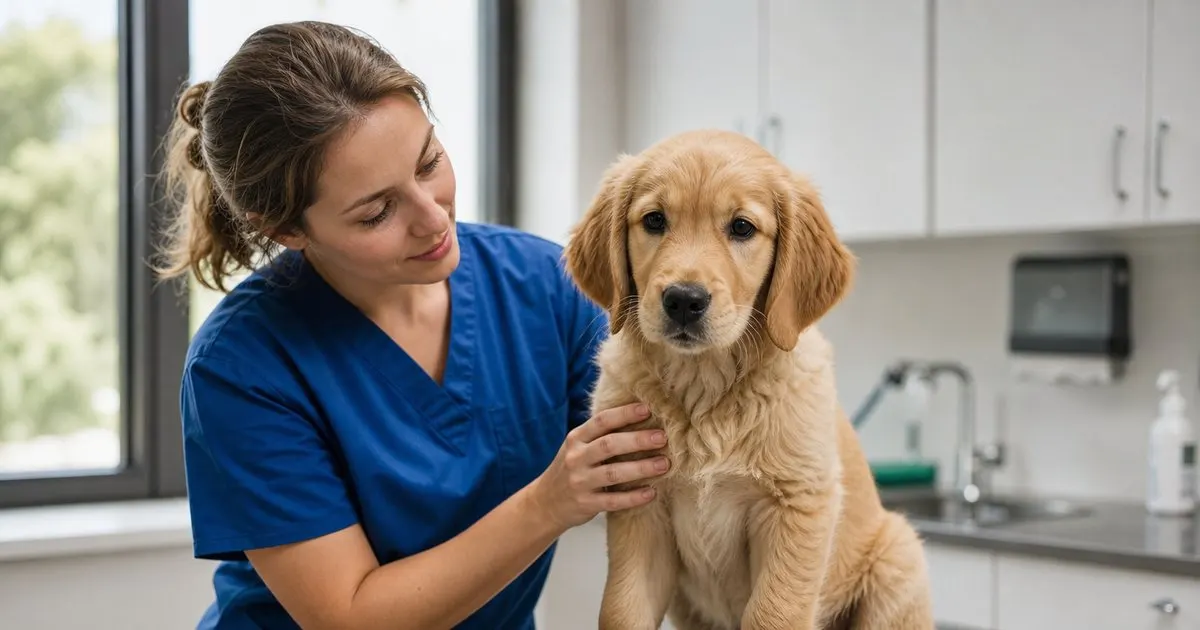
A puppy is born with borrowed immunity. Antibodies passed from the mother protect the litter for the first weeks of life, and those same antibodies block a vaccine from doing its job. Nobody can tell from the outside when that borrowed protection fades, because it depends on the mother, the litter, and the individual puppy. The window can close at six weeks in one puppy and closer to fourteen in its littermate. Related: When Should Puppies and Kittens Get Their First Round of Core Vaccines?
That uncertainty is the whole reason for the series. Vets give repeated doses, typically every two to four weeks from around six to eight weeks of age until at least sixteen weeks, so that at least one dose lands after maternal antibodies have dropped and the puppy's own immune system can respond. The doses are not additive top ups. They are repeated attempts to catch an unknown moment, which is why the last dose in the series matters more than the count of doses given.
Keep reading: How Do Vet Clinics Keep Pet Vaccination Records From Falling Out of Date?, What Should a Groomer Do When a Dog's Rabies Vaccine Has Lapsed?, Why Do So Many Pet Owners Miss Their Annual Vaccination Due Dates?. See how VaxRemindr helps you pet vaccination due-date reminders for owners.
What a short delay usually changes, and what a long gap does
In practice, most vets treat a slip of a week or two as a scheduling annoyance rather than a medical reset. The series resumes where it left off, the interval is measured from the dose the puppy actually received, and the finish line moves later by however long the delay ran. What a delay costs is time in the risk window, not progress already made. A puppy who is late is unprotected for longer, which matters most in areas where parvovirus is common or where the puppy is meeting other dogs.
Once a gap stretches past roughly six weeks, the conversation usually changes. Many clinics respond by giving an additional dose and then a second one a few weeks later, so there are still two doses spaced correctly at the end of the series, rather than tearing the record up and starting from zero. The exact call depends on the puppy's age, the vaccine used, and the product's own label instructions, so it is a question for the clinic that holds the record. What we can say confidently from the import side is that owners rarely need a full restart, and often assume they do. Related: Why Do So Many Pet Owners Miss Their Annual Vaccination Due Dates?
Rabies runs on a separate, legal clock
The core distemper and parvo series is a medical judgment call. Rabies is not. Rabies timing is set by state and local law and by the product license, which is why it does not bend for a busy month. Most states expect the first rabies dose at or after a set minimum age, commonly around twelve to sixteen weeks, with a booster due one year later regardless of whether the first dose was given at twelve weeks or twenty.
If that one year booster is late, the pet is legally lapsed until the next dose is given, and in most jurisdictions the clock restarts as though it were a first vaccination, meaning one year of coverage rather than three. Groomers, boarding facilities, licensing offices, and animal control all read the certificate date, not the intent. This is the one date in a puppy's first eighteen months that we would suggest protecting with more lead time than feels necessary. Related: What Should a Groomer Do When a Dog's Rabies Vaccine Has Lapsed?
How to stop the rest of the series from slipping
The single most effective habit is booking the next visit before leaving the building. A date on a clinic's schedule survives a hard week far better than a mental note to call back. If the front desk cannot book that far out, ask for the target date range in writing on the discharge paperwork and put a real calendar entry on that date the same day, not a vague reminder for next month.
Then set the reminder off the date the dose was actually given, not off the date it was supposed to be given. Every recurring reminder we have seen drift did so because it kept counting from the plan instead of from reality. Add a lead time of about a week for a routine booster, more if your clinic books out further, and record three things for each dose: the date, the vaccine given, and the recommended next due date. Those three fields are what a boarding facility, a new vet, or a future you will need, and they are almost always the fields missing from the records people hand us. Related: How Do Vet Clinics Keep Pet Vaccination Records From Falling Out of Date?
- A one or two week slip normally means the series continues from the last dose given, not a restart from zero.
- Gaps beyond about six weeks often mean an extra dose so two correctly spaced doses still close out the series.
- Rabies follows state law, so a late one year booster usually restarts as a first dose with only one year of coverage.
- Always recalculate the next due date from the dose actually administered, and book the follow up before you leave the clinic.

Julien Jimenez
Julien Jimenez is an independent software builder based in Paris. He designs, ships, and operates focused SaaS products for small businesses and independent professionals. Read the full author page.
Never let a pet vaccine lapse again
Pet vaccination due-date reminders for owners. VaxRemindr is built to help you put this into practice.
Start tracking due datesMore from the VaxRemindr blog

How Do Vet Clinics Keep Pet Vaccination Records From Falling Out of Date?
What Should a Groomer Do When a Dog's Rabies Vaccine Has Lapsed?
Why Do So Many Pet Owners Miss Their Annual Vaccination Due Dates?
Get the VaxRemindr playbook
Practical guides on pet vaccination reminders, straight to your inbox as we publish them. No spam, unsubscribe any time.