When Should a Pet Owner Ask About a Titer Test Instead of a Routine Booster?
Titer testing can answer whether a pet still has measurable immunity to certain diseases. It is useful in specific situations and useless in others, and it never replaces a rabies certificate.
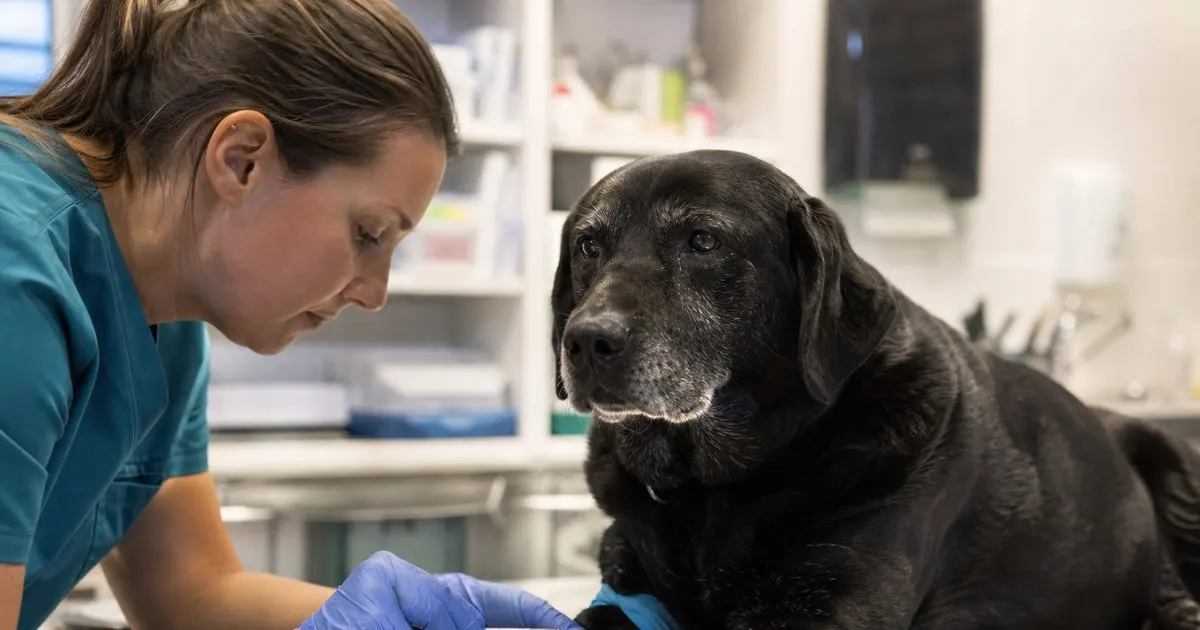
What a titer actually tells you
A titer test measures the level of circulating antibodies against a specific disease in a blood sample. For the core canine diseases distemper, parvovirus, and adenovirus, and for feline panleukopenia, a positive titer correlates reasonably well with protection, which is why guidelines from the major veterinary associations accept titers as one way to decide whether a booster is needed for those diseases. A pet with a protective titer is very likely protected; a pet with a low or absent titer should typically be boostered.
What a titer does not measure is cell-mediated immunity or immune memory, so a low titer does not always mean the animal is unprotected. It also does not work well for every vaccine. For leptospirosis, Bordetella, and other non-core vaccines, antibody levels correlate poorly with protection and titers are not a useful decision tool. Ask your vet which diseases a titer would actually inform before paying for a panel. Related: When Should Puppies and Kittens Get Their First Round of Core Vaccines?
Keep reading: How Do Vet Clinics Keep Pet Vaccination Records From Falling Out of Date?, What Should a Groomer Do When a Dog's Rabies Vaccine Has Lapsed?, Why Do So Many Pet Owners Miss Their Annual Vaccination Due Dates?. See how VaxRemindr helps you pet vaccination due-date reminders for owners.
Situations where a titer is worth the conversation
The clearest case is a pet with a documented history of a serious vaccine reaction. If a dog had a significant adverse event after a previous distemper or parvo booster, a titer lets you and your vet check protection without repeating the exposure, and many vets will suggest it themselves. A second good case is a pet with a chronic illness or on immunosuppressive medication, where the vet may want to minimize unnecessary vaccination and confirm existing immunity before deciding anything. Related: What Should a Groomer Do When a Dog's Rabies Vaccine Has Lapsed?
Adopted adults with unknown or partial vaccine history are a third case. Rather than automatically restarting a full series, a vet can check titers for the core diseases and booster only what is missing, which is often kinder to the animal and cheaper than repeated visits. Senior pets who have been vaccinated consistently for years sometimes fall into this category as well, since long-vaccinated adults frequently retain protective titers for the core diseases well beyond the labeled interval.
Where a titer does not help, starting with rabies
Rabies titers are performed for pet travel to certain countries and islands, but within the United States a rabies titer does not satisfy any state's vaccination requirement. Licensing offices, groomers, kennels, and animal control all want a current rabies certificate, and a lab report showing antibodies is not a substitute. If your pet cannot be vaccinated for rabies for a medical reason, the path is a written medical exemption from your vet where the state allows one, and even those are not accepted everywhere.
Titers are also a poor fit for puppies and kittens finishing their initial series, where maternal antibodies can interfere and a single titer is hard to interpret. And they are not a way to avoid the vet: a titer requires a blood draw, a lab fee, and an exam, and the result is a snapshot that has to be repeated periodically. For an owner whose goal is fewer appointments, a three-year core booster schedule often achieves the same thing with less complexity. Related: Why Do So Many Pet Owners Miss Their Annual Vaccination Due Dates?
How to bring it up and what to do with the result
Raise the question at the annual exam, before the booster is drawn up, and be specific: ask whether a distemper and parvo titer would make sense for this dog instead of the booster this year, and why or why not. A good vet will give you a straight answer that reflects your pet's history, age, and exposure. Some clinics run in-house tests with same-day results; others send samples out and you will get a call in several days. Ask which, so you can plan the follow-up visit if a booster turns out to be needed. Related: Which Vaccine Reminders Actually Get Pet Owners to Book a Follow Up Visit?
Whatever you decide, record it the way you would record a vaccine. Note the date of the titer, the diseases tested, the result, and the vet's recommendation for when to recheck. A protective titer does not last forever, and the recheck date is a due date like any other. Put it in the same calendar or reminder tool as your rabies and non-core dates so it is not lost in a lab report folder. Treat the titer recheck as just another entry with a due date, which is exactly how it should be handled.
- Titers are informative for canine distemper, parvovirus, adenovirus, and feline panleukopenia, and largely uninformative for most non-core vaccines.
- The strongest cases for a titer are prior serious vaccine reactions, chronic illness or immunosuppression, and adopted adults with partial history.
- No US state accepts a rabies titer in place of a current rabies certificate.
- Record a titer result and its recheck date exactly as you would a vaccine due date.

Julien Jimenez
Julien Jimenez is an independent software builder based in Paris. He designs, ships, and operates focused SaaS products for small businesses and independent professionals. Read the full author page.
Never let a pet vaccine lapse again
Pet vaccination due-date reminders for owners. VaxRemindr is built to help you put this into practice.
Start tracking due datesMore from the VaxRemindr blog
How Do Vet Clinics Keep Pet Vaccination Records From Falling Out of Date?
What Should a Groomer Do When a Dog's Rabies Vaccine Has Lapsed?
Why Do So Many Pet Owners Miss Their Annual Vaccination Due Dates?
Get the VaxRemindr playbook
Practical guides on pet vaccination reminders, straight to your inbox as we publish them. No spam, unsubscribe any time.